

From ultra-slim smartphones to powerful AI servers and electric vehicles, today’s electronics are doing more than ever before. Devices are faster, smaller, and more densely packed with components, which means they generate significant amounts of heat in tight spaces. While performance upgrades often grab the spotlight, thermal management quietly plays a critical role behind the scenes. Without effective cooling strategies, even the most advanced technology would struggle with overheating, reduced lifespan, and unexpected failures. Comprehensive thermal management solutions have become the backbone that supports the next generation of electronic innovation.
Rising Power Densities Demand Smarter Cooling
As semiconductor technology evolves, chips are designed to process more data at higher speeds. This increased performance leads to higher power densities, which means more heat is generated in smaller footprints. Traditional cooling methods are no longer sufficient for many high-performance systems. Companies like HALA Thermal Management are helping manufacturers address these challenges by developing integrated cooling solutions that combine advanced materials, heat sinks, liquid cooling systems, and optimized airflow design into a cohesive strategy. Rather than treating thermal performance as an afterthought, engineers now consider it from the earliest design stages. This proactive approach ensures that devices can handle demanding workloads without throttling performance or risking damage. Smarter cooling solutions enable electronics to operate at peak efficiency while maintaining safe operating temperatures.
Extending Product Lifespan and Reliability

Heat is one of the primary enemies of electronic components. Prolonged exposure to high temperatures accelerates wear and tear, degrades materials, and increases the likelihood of component failure. Capacitors, processors, and power modules are especially sensitive to thermal stress. Comprehensive thermal management minimizes temperature fluctuations and prevents hotspots that can compromise system integrity. By maintaining stable thermal conditions, manufacturers can significantly extend product lifespan and reduce warranty claims. In industries such as aerospace, medical devices, laptops and automotive systems, reliability is not just desirable—it’s essential. Effective thermal solutions ensure consistent performance over time, even in harsh or demanding environments.
Boosting Performance Without Compromise
Modern consumers and industries expect electronics to deliver more power in smaller packages. Whether it’s a gaming laptop, a data center server, or an electric vehicle powertrain, performance expectations are higher than ever. However, excessive heat can force systems to throttle, automatically reducing speed to prevent overheating. With well-designed thermal management systems, devices can sustain high performance levels without hitting thermal limits. Advanced heat dissipation technologies allow processors and power electronics to operate at optimal speeds for longer periods. This translates into faster computing, smoother graphics, improved energy efficiency, and better overall user experiences. Thermal management is not just about preventing failure—it’s about unlocking full performance potential.
Supporting Miniaturization and Compact Designs
One of the defining trends in electronics is miniaturization. Devices are becoming thinner, lighter, and more portable, while still packing in powerful components. However, smaller enclosures leave less room for airflow and heat dissipation. Comprehensive thermal solutions address this challenge through innovative materials and compact cooling technologies. High-conductivity interface materials, vapor chambers, and microchannel liquid cooling systems enable effective heat transfer even in extremely tight spaces. By integrating thermal considerations into mechanical and electrical design, engineers can achieve sleek, compact products without sacrificing performance or safety. This synergy between design and thermal engineering is especially critical in wearable technology, IoT devices, and compact industrial systems, where space constraints are significant.
Enabling Sustainability and Energy Efficiency
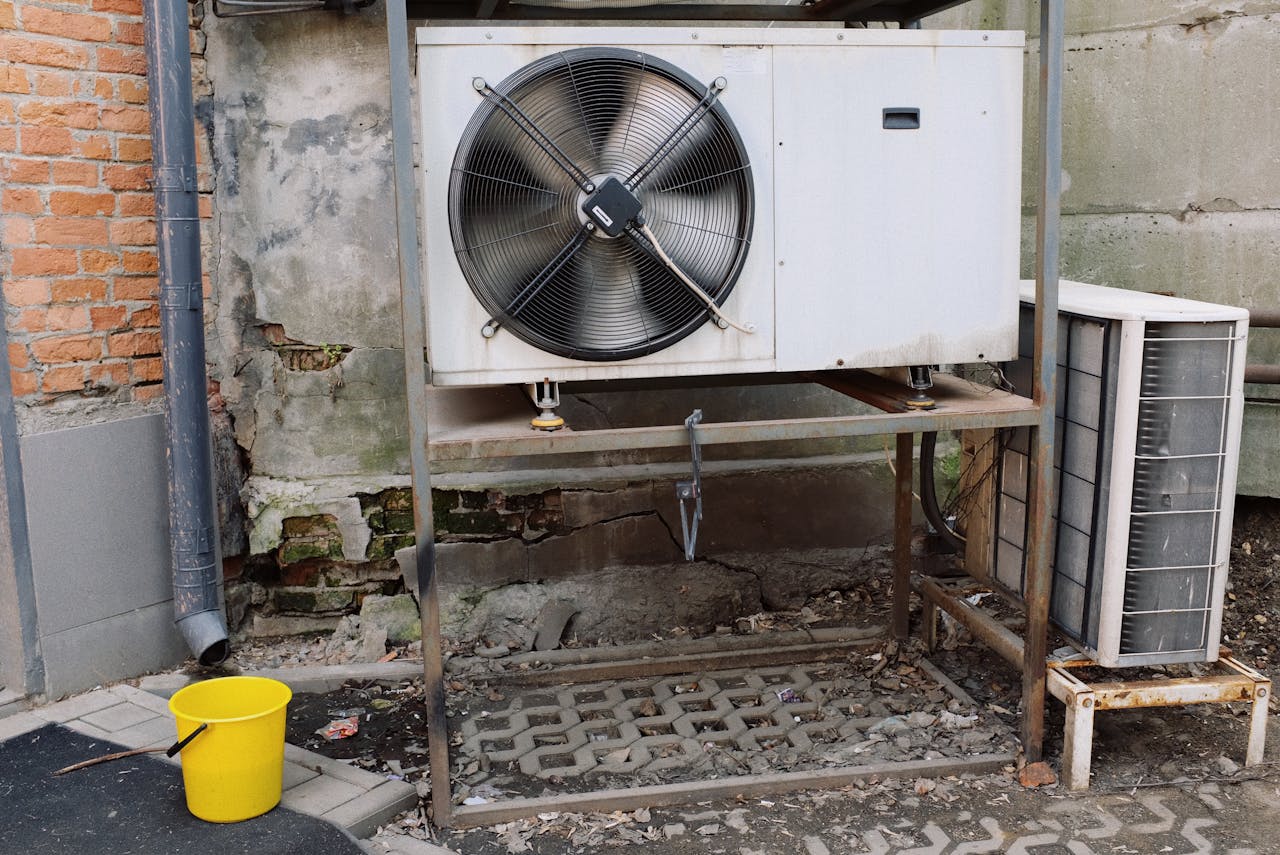
Energy efficiency is a growing priority across industries. Inefficient thermal management can lead to wasted energy, as cooling systems work harder than necessary to maintain acceptable temperatures. In large-scale operations like data centers, poor thermal design can significantly increase energy consumption and operating costs. Comprehensive thermal management solutions optimize heat removal while minimizing power usage. Improved airflow management, liquid cooling, and advanced heat exchangers reduce the load on fans and air conditioning systems. By lowering overall energy demand, organizations can decrease their carbon footprint and meet sustainability goals. Efficient thermal strategies are not only good for performance—they’re good for the planet.
As electronics continue to evolve, thermal management is no longer a secondary consideration—it is a foundational requirement. Higher power densities, compact designs, and increasing performance demands make heat control more complex than ever. Comprehensive thermal management solutions provide the stability, efficiency, and reliability needed to support next-generation technologies. From extending product lifespan to enabling cutting-edge performance and sustainable operations, effective thermal strategies are truly the backbone of modern electronics. As innovation pushes boundaries, the importance of smart, integrated cooling solutions will only continue to grow.
Comments are closed, but trackbacks and pingbacks are open.